Tiny House Frequently Asked Questions (FAQ)

Tiny houses have become one of the most popular lifestyle trends in recent years. The topics people are curious about are quite broad. In this article, you’ll find answers to all the questions you might have. Let’s get started…
If you want to design the tiny house of your dreams, take a look at the magnificent designs on our website.
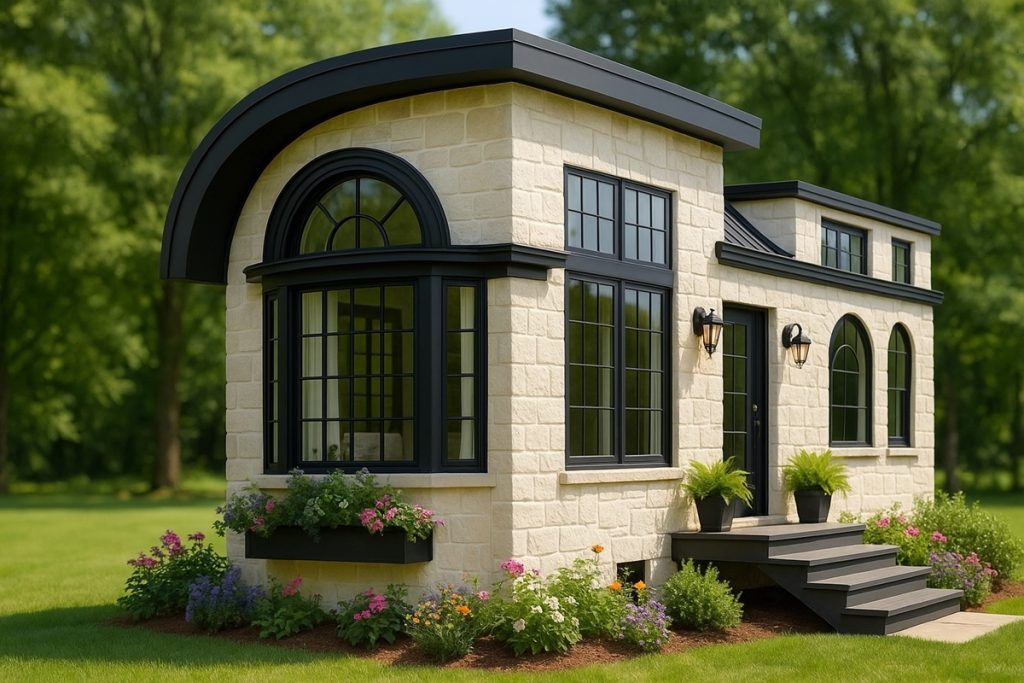
1. What is a Tiny House? (Basic Information)
• What is a Tiny House and who is it suitable for?
a. A Tiny House is a fully functional home, usually ranging between 10 and 40 square meters, built either on wheels or on a fixed foundation. Its purpose is to offer a minimalist lifestyle with fewer belongings, lower expenses, and more freedom.
b. This lifestyle is perfect for those who love being close to nature, value financial independence, want to contribute to sustainability, and embrace the “less is more” philosophy. Students, artists, retirees, travelers, digital nomads… in fact, anyone can live in one!
• Are Tiny Houses legal? What are the zoning regulations?
Yes, Tiny Houses fall into two main legal categories: mobile (on wheels) and fixed foundation.
a. Mobile Tiny Houses: These are generally considered “caravans” and can be registered with proper documents (such as the O2 Type Approval Certificate) and licensed for road use. Instead of placing them on zoned land, they are usually located in campgrounds, private properties, or Tiny House parks. Since they are classified as “vehicles,” they are not directly subject to zoning laws.
b. Fixed Foundation Tiny Houses: If you build your Tiny House on a foundation, it is considered a “building” and must comply with construction permits and zoning regulations. In this case, the zoning status of your land and local municipal rules will determine what’s possible. Each project must be evaluated individually, so we strongly recommend contacting local authorities for accurate information.
• How big can a Tiny House be?
The size depends on whether it’s mobile or fixed.
1. Mobile models: Road transport standards apply. In Turkey, the maximum dimensions are usually 2.55 meters wide, 4 meters high (including trailer), and 8–10 meters long (excluding trailer). Within these limits, they typically offer 15–35 square meters of living space.
2. Fixed foundation models: Depending on zoning plans and local regulations, they can be larger, but the Tiny House philosophy usually keeps them under 40–50 square meters.
The key is creating the most functional and minimalist living space for your needs.
• What are the differences between mobile and fixed Tiny Houses?
The main difference is mobility.
a. Mobile Tiny Houses (on wheels): Built on a trailer or chassis, they can be moved with a towing vehicle. This gives you the freedom to live wherever you want. Since they are legally “vehicles,” they can be relocated easily as long as they are licensed.
b. Fixed Tiny Houses: Built on a foundation, they cannot be moved. Like traditional houses, they are tied to the land and must comply with local building codes. They provide a more permanent lifestyle. The choice depends entirely on your lifestyle preferences.
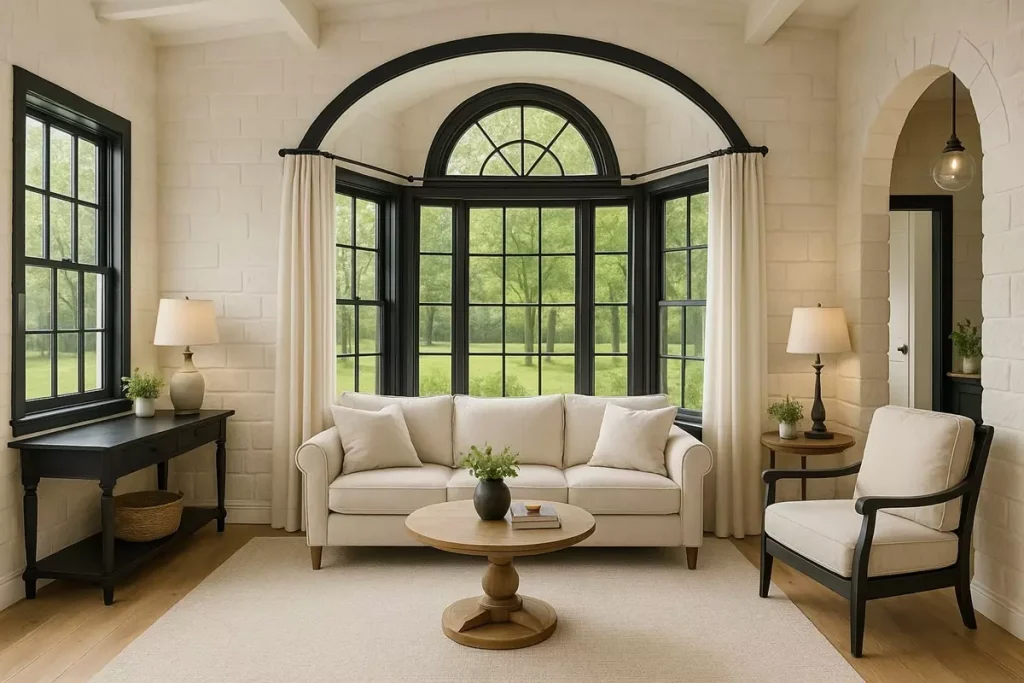
2. Tiny House Design and Construction Process
• Should I build my own Tiny House or buy one ready-made?
a. Both options have their advantages! If you have good craftsmanship skills, plenty of time, and some construction knowledge, building your own Tiny House can be an incredible experience. It lowers costs and allows you to add your personal touch. But it requires patience and expertise.
b. If you’re short on time or prefer a professional finish, buying a ready-made Tiny House or hiring a team is more practical and reliable. You can explore our ready-made models and turnkey solutions by contacting us!
• What design options are available? Can I customize it?
a. In the Tiny House world, design possibilities are almost limitless! Modern, rustic, industrial, bohemian, Scandinavian… any style you can imagine is possible.
b. Yes, customization is absolutely possible! That’s one of the best parts of Tiny Houses. From interior layout to exterior materials, window types to color palettes, every detail can be tailored to your taste and needs. We offer personalized design consultancy to help bring your dream home to life.
• What materials are used? Is insulation important?
a. Tiny Houses usually use lightweight, durable, and eco-friendly materials. Steel or wooden frames, exterior cladding with wood siding, composite panels, or sheet metal are common. Interiors often use plywood, wooden panels, or drywall.
b. Insulation is crucial! Since you’re living in a small space, proper insulation minimizes heating and cooling costs, ensures comfort, and improves energy efficiency. High-performance materials like mineral wool, rock wool, XPS/EPS are commonly used. Good insulation makes your Tiny House livable year-round and reduces energy bills.
• How long does it take to build a Tiny House?
Construction time depends on complexity, size, customization, and the speed of the team.
a. Turnkey professional builds: Usually completed in 2–4 months, from design approval to delivery.
b. DIY builds: Depending on your skills and available time, it can take anywhere from 6 months to several years. Remember, safety and durability should always be your priority.
• What should I consider in interior planning? (Storage, multifunctional furniture, etc.)
Interior planning in a Tiny House is an art! Every centimeter counts. Key points include:
a. Storage: Essential! Use under-bed drawers, stair compartments, wall-mounted shelves, and ceiling storage to maximize space.
b. Multifunctional furniture: Furniture should serve multiple purposes. Foldable tables, sofa beds, and benches with storage are must-haves.
c. Vertical space: Make use of ceiling height. Loft areas, tall shelves, and high cabinets save space.
d. Light and openness: Large windows, light colors, and smart lighting make small spaces feel bigger and brighter.
e. Functionality: Every area should serve a purpose and make daily life easier. Frequently used items should be easily accessible.
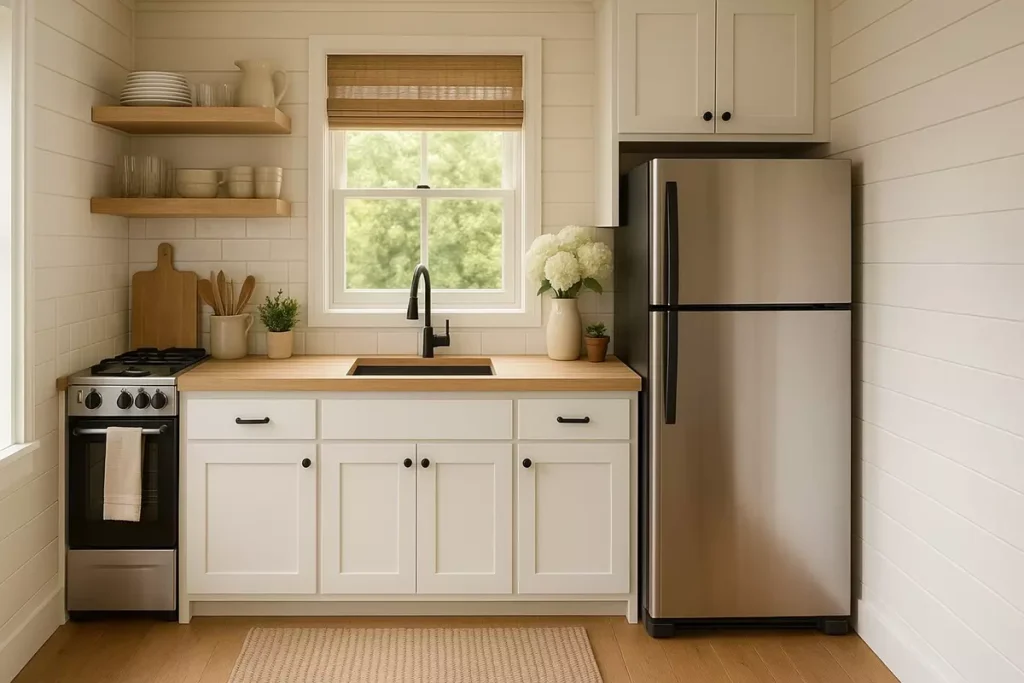
3. Tiny House Costs and Financing
• How much does owning a Tiny House cost? (Average costs)
a. Tiny House costs vary greatly depending on the model, size, material quality, customization options, and equipment level. Globally, turnkey Tiny Houses typically range between $5,000 and $50,000.
b. If you build it yourself, you can significantly reduce costs, but you must also consider material expenses and the time you invest. Remember, these figures are far below the cost of buying a traditional home!
• What financing options are available? Can I get a loan or bank support?
Financing a Tiny House is a bit different from traditional mortgages, since banks often classify mobile Tiny Houses as “vehicles” rather than “homes.”
a. Mobile Tiny Houses: Vehicle loans or personal loans may be more suitable. Some banks or financial institutions are beginning to offer special Tiny House loans.
b. Fixed Foundation Tiny Houses: If built on zoned land, they may qualify under mortgage conditions or land-secured loans.
c. Other Options: Some manufacturers offer their own financing programs or payment plans. Personal savings, support from friends and family, or crowdfunding are also alternatives. To find the best option, consult banks and Tiny House producers.
• What are the maintenance costs?
One of the best aspects of Tiny Houses is their low maintenance costs! Their small size means heating, cooling, electricity, and water consumption are much lower than traditional homes.
a. General maintenance: Exterior upkeep, painting, and roof checks are similar to traditional houses but cheaper and quicker due to the smaller scale.
b. System maintenance: If you have solar panels, water filtration systems, or compost toilets, they require periodic maintenance. However, compared to monthly fees or property taxes of traditional homes, these costs are usually much more affordable. In short, Tiny Houses are budget-friendly!
• How much can I save compared to a traditional home?
Tiny Houses can be the key to financial freedom! Savings appear in many areas:
a. Lower purchase cost: Far cheaper than traditional homes, reducing or eliminating mortgage debt.
b. Lower bills: Heating, cooling, electricity, and water bills are much lower. With solar energy and water recycling systems, you can approach near-zero energy costs.
c. Lower property taxes/fees: Mobile Tiny Houses avoid property taxes, while fixed ones incur much lower taxes due to smaller land size.
d. Consumption habits: Living in a small space encourages buying fewer items and consuming more consciously, leading to indirect savings. Over time, these savings can make a huge difference in achieving your dreams.
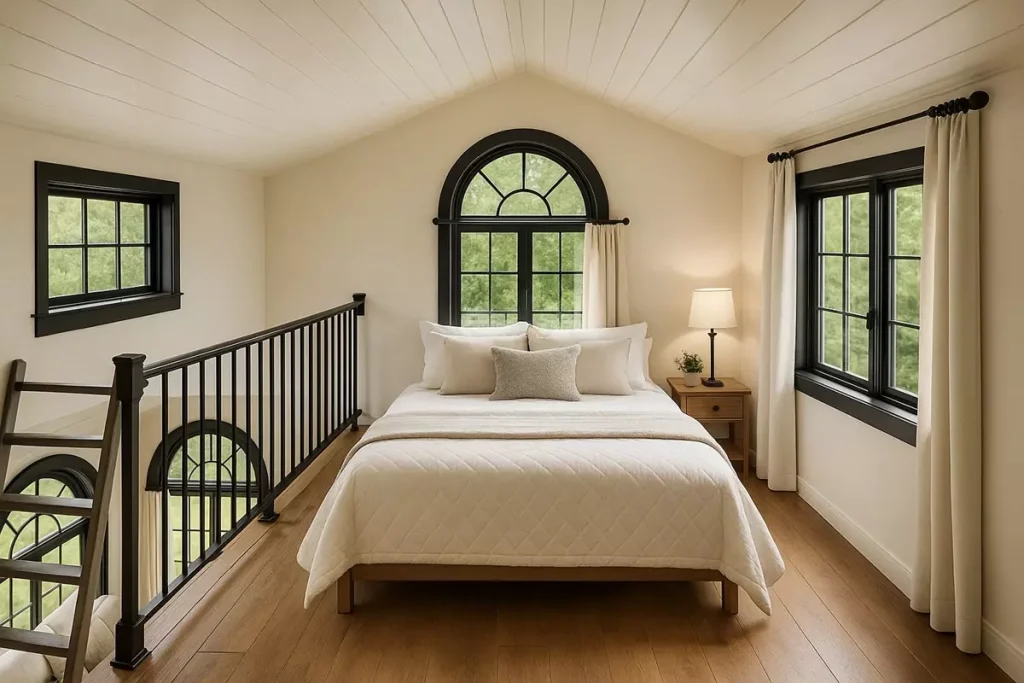
4. Tiny House Infrastructure and Lifestyle
• How are electricity, water, and waste managed in Tiny Houses? (Solar panels, compost toilets, etc.)
Infrastructure solutions depend on how “off-grid” you want to be:
a. Electricity: If grid access is available, you can connect directly. Many owners install solar panels and battery systems to generate their own electricity, ensuring energy independence.
b. Water: Options include external water tanks, rainwater collection systems, or grid connections. Greywater recycling systems (for sinks and showers) are also popular.
c. Waste management: Compost toilets are the most common eco-friendly solution, turning waste into compost without water. Recycling and waste separation further minimize your footprint.
• How do heating and cooling systems work?
Thanks to their small size, Tiny Houses are easy and economical to heat and cool.
a. Heating: Common methods include small wood stoves (adding cozy ambiance!), propane or electric heaters, and split AC systems. With good insulation, minimal energy keeps the space warm.
b. Cooling: Portable AC units, ceiling fans, or split systems are popular. Proper window placement and ventilation also provide natural cooling.
• Where can I park/place my Tiny House? (Zoned land, Tiny House villages, etc.)
Finding a spot for your mobile Tiny House is part of the adventure:
a. Tiny House villages/parks: Increasingly common in Turkey, these communities offer infrastructure (electricity, water, internet) and a sense of community.
a. Private land: You can temporarily stay on rural private property or land owned by friends/family.
c. Campgrounds: Caravan and camping sites, especially in tourist areas, are good options.
d. Zoned land: For fixed Tiny Houses, you can legally build on zoned land after completing the required permits. Always check local regulations and property owner permissions.
• What challenges come with the Tiny House lifestyle?
Every lifestyle has challenges, but Tiny House challenges are usually manageable and rewarding:
a. Limited space: The most obvious challenge. Every item must have a place, and you must learn to let go of unnecessary belongings. (This often feels liberating!)
b. Regulatory uncertainties: As a new concept, legal rules and parking options may sometimes be unclear, though this is improving rapidly.
c. Infrastructure management: Off-grid living requires routine tasks like refilling water tanks, emptying greywater, or checking batteries.
d. Hosting guests: Hosting large groups requires creativity. (Luckily, nature is always right outside your door!)
These challenges are minor compared to the freedom, peace, and financial relief Tiny Houses provide.
• How to transition to a minimalist lifestyle?
Minimalism is more than owning a Tiny House—it’s a mindset shift. Here are some tips:
a. Declutter: Go through all your belongings. Get rid of anything unused in the last 6 months, that doesn’t bring joy, or lacks purpose. Donate, sell, or discard.
b. Set a rule: Apply the “one in, one out” principle. Buy a new shirt, let go of an old one.
c. Focus on experiences: Invest in travel, hobbies, and time with people instead of material possessions.
d. Reduce debt: Financial minimalism frees you from burdens and increases independence.
e. Take small steps: Big changes don’t happen overnight. Start small and be kind to yourself. This prepares you for Tiny House living and a more peaceful life.
• Can I live in a Tiny House with my pet?
Absolutely! Thousands of people happily live in Tiny Houses with pets. The key is adapting the space to your pet’s size and needs.
a. Space planning: Create a designated sleeping area, and place food/water bowls conveniently. Consider climbing areas for cats or easy-to-clean floors for dogs.
b. Outdoor access: If mobile, choose locations near safe outdoor areas (parks, gardens).
c. Ventilation and comfort: Ensure good airflow and cooling in summer, warmth in winter.
d. Safety: Secure windows and doors to prevent escapes or accidents.
Your furry friends can enjoy the minimalist adventure right alongside you!
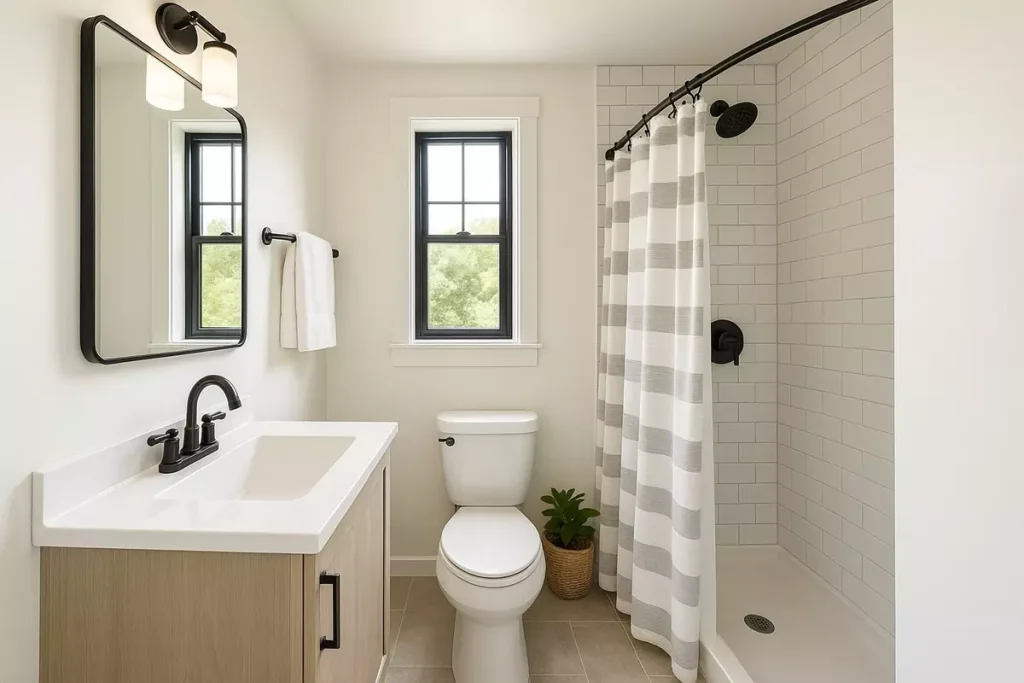
5. Tiny House Purchase and Delivery Process
• How does the process work if I want to buy a Tiny House from you?
Reaching your dream Tiny House with us is easy and enjoyable!
a. Initial Contact & Consultation: Fill out the contact form on our website or call us. In our first meeting, we listen to your needs, budget, and lifestyle, and discuss the most suitable Tiny House model or customization options.
b. Design & Proposal: Based on our shared decisions, we provide you with a personalized design draft and a detailed price quote. At this stage, revisions can be made to shape your dream home exactly as you want.
c. Contract & Production: Once you approve the proposal, we sign the production contract and begin your project. During production, we provide you with regular updates.
d. Quality Control & Delivery: When your Tiny House is complete, we carry out final quality checks. Then, we safely deliver and install it at the agreed location.
e. After-Sales Support: Even after handing over the keys, we’re still here for you! If you have any questions or need support, you can always reach us. We’re here to help you step into your dream lifestyle!
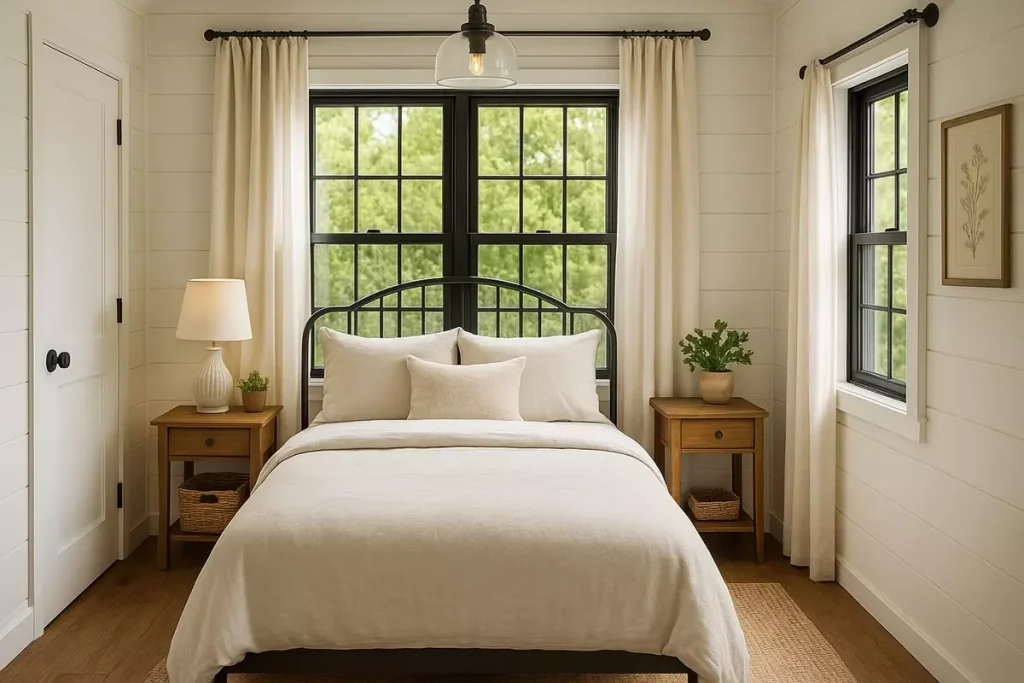
• Do you provide delivery and installation services?
Yes, absolutely! Ensuring our customers move into their new homes smoothly is our priority. Our professional team delivers your Tiny House safely to the specified address and completes the installation. Delivery and installation details may vary depending on the size of your Tiny House, the distance, and the condition of the land. We create a personalized plan and manage the entire process transparently. Sit back and leave the rest to us!
• Is there a warranty and after-sales support?
Definitely! We trust the quality and durability of our products. All our Tiny Houses come with a comprehensive warranty period in compliance with legal regulations. In addition, our after-sales support team is always available for any questions or technical assistance you may need. Our goal is not just to sell you a house, but to provide a seamless experience that you can enjoy for many years. Your satisfaction is our most valuable reference.
• Which regions do you deliver to?
Delivery costs vary depending on the destination. Simply let us know your desired location, and we’ll be happy to provide you with a personalized offer and detailed information. Just as your lifestyle knows no boundaries, neither do we!
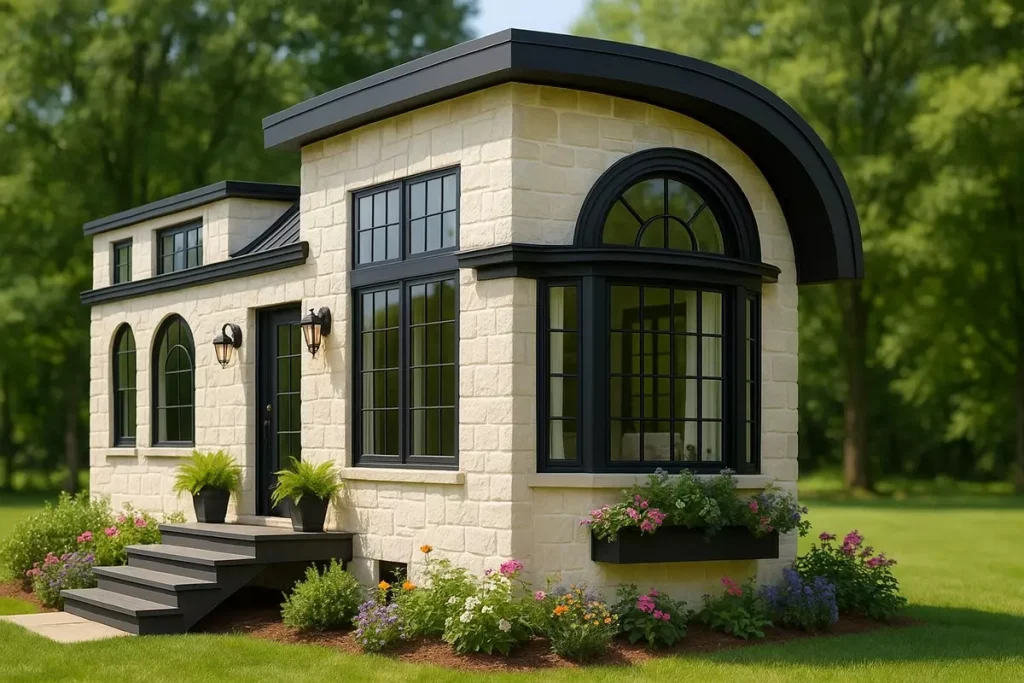
Conclusion: Tiny House Frequently Asked Questions (FAQ)
I hope this blog post answered your questions about Tiny Houses. If you have any further questions, please leave a comment. I will get back to you as soon as possible.
Click here for more information about tiny houses.
Don’t forget to check out other great ideas about Tiny House Universe and share them with your friends. Thanks!
»» Follow Tiny House Universe on social media to stay up to date with the latest posts ««
↓↓ Check Out Other Fascinating Tiny Stories ↓↓
- Juniper Slope Lodge Airbnb Retreat in Wilmington: The Most Exclusive Vacation Choice for 2026
- 4×7 Diameter Box Tiny House Design: Discover the Modern Minimalist Lifestyle
- Happy Goat Retreat in Texas: Container Home Living Amidst Nature
- Simple Tiny House 48m2 Minimalist Plan: Discover the Secrets of Minimalist Living
- The Pinnacle of Minimalist Living: Discover the 40 m² Two-Story Modern Tiny House!
↓↓↓ For More ↓↓↓
Contents
Keywords: house designs, container house, cozy homes, minimalist living, small cabins, tiny house, cozy tiny house, tiny house projects, portable tiny house, affordable small homes, off-grid tiny house, tiny house plans, minimalist living space, compact home design, DIY home building ideas.